The Ultimate Guide to Maintenance Free Living in Central Jersey
For many modern homeowners, retirees, and busy professionals, the traditional American dream of a sprawling suburban home with a massive yard has subtly shifted. While owning an expansive property offers plenty of space, it also demands an immense investment of your personal time, physical energy, and financial resources. Between weekend lawn mowing, seasonal gutter cleaning, unexpected roof repairs, and winter snow shoveling, traditional homeownership can quickly start to feel like a demanding second job.
Consequently, a rapidly growing number of buyers are shifting their focus toward a highly liberating alternative: maintenance free living central jersey communities.
Choosing a hands-off lifestyle does not mean sacrificing the pride of property ownership or settling for a cramped living space. In contrast, modern turnkey real estate options in the Garden State provide magnificent architectural designs, spacious floor plans, and luxurious private amenities. Therefore, in a bustling commuter and lifestyle hub like Central Jersey, finding the right managed community is a primary objective for savvy buyers. This comprehensive guide breaks down the structural mechanics of managed communities, compares popular housing styles, and outlines a selection playbook to help you find your perfect lock-and-leave home.
The Core Science: How Managed Communities Absorb Your Chores
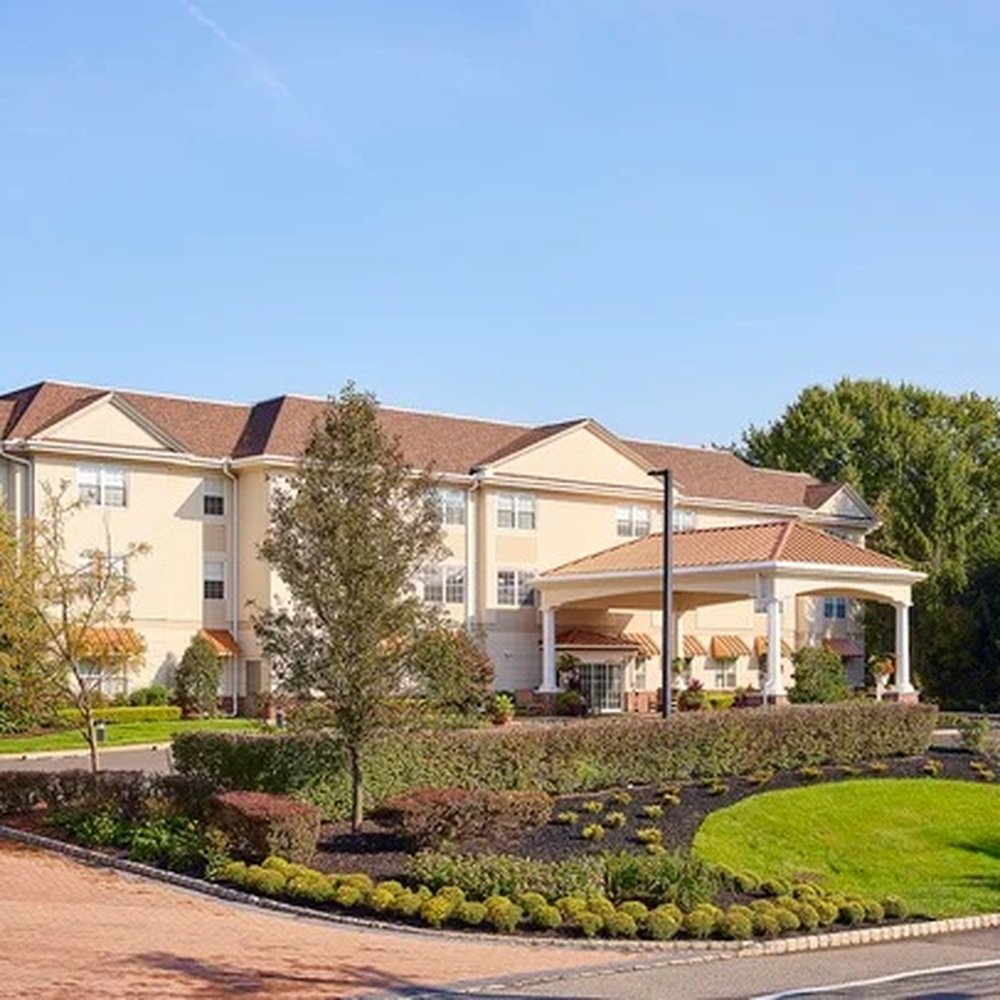
To understand the true value of maintenance free living central jersey real estate, it helps to analyze the operational framework of a Homeowners Association (HOA) or Condominium Association. When you purchase a property within a managed community, your monthly or quarterly association dues act as a financial shield against exterior property degradation.
The structural division of labor is clearly outlined in the community’s governing documents, known as the Covenants, Conditions, and Restrictions (CC&Rs).
Specifically, the association assumes absolute responsibility for the upkeep of the “common elements” and the building envelopes. This means that while you retain total control over personalizing the interior of your home, an insured professional network handles everything on the outside. Consequently, when a severe winter Nor’easter drops a foot of wet snow across Middlesex or Monmouth County, you do not have to lift a shovel. The association’s contracted crews clear your driveway, plow the streets, and salt your walkways automatically.
Quick Reference: Lock-and-Leave Real Estate Matrix
Before searching for listings, it is important to match your specific lifestyle goals and privacy needs to the correct architectural style. Review this professional structural matrix to compare the primary managed housing categories:
| Housing Category | Ownership Type | Exterior Structure Focus | Amenity Access Level | Ideal Buyer Profile |
| Active Adult 55+ | Single-Family or Townhouse | Association manages all lawn care, snow removal, and exterior paint. | Maximum – Clubhouses, fitness centers, pools, and tennis courts. | Retirees, downsizers, and empty nesters seeking an active social calendar. |
| Luxury Townhouse | Fee-Simple (With HOA) | Landscaping, roof replacement, and common driveway paving included. | High – Shared walking paths, playgrounds, and occasional pool access. | Busy corporate professionals, young families, and commuters. |
| Turnkey Condominium | Joint Unit Ownership | Full building envelope protection, including corridors and elevators. | Moderate to High – Controlled building security and fitness rooms. | First-time buyers, frequent travelers, and minimalist downsizers. |
The Lifestyle Benefits of a Turnkey Central Jersey Home
When you transition into a property designed for maintenance free living central jersey style, the personal advantages extend far beyond simply throwing away your lawnmower. In fact, a managed community directly improves your overall quality of life and your monthly time budget in several distinct ways.
First, you instantly reclaim your weekends for leisure, family, and personal hobbies. Instead of spending your Saturday morning sweating over yard work or running to the home improvement store for gutter parts, you can walk out your front door and enjoy local attractions. Whether that means catching an early morning train to Manhattan from the Princeton Junction station, golfing at a premier Somerset County course, or taking a quick drive down to the beautiful beaches of the Jersey Shore, your time belongs entirely to you again.
Second, a managed neighborhood provides predictable, stress-free budgeting for exterior structural care. In a traditional single-family home, a sudden roof leak, cracked driveway, or failing exterior siding can result in an unexpected capital expense costing thousands of dollars.
In a well-managed condominium or townhouse association, however, a portion of your monthly dues is funneled directly into a dedicated financial reserve fund. Consequently, when the community’s roofs or roads reach the end of their lifespans, the association utilizes those built-in reserves to execute the major upgrades, shielding you from sudden financial shocks.

Step-by-Step Playbook: Finding and Vetting Your Managed Home
Onboarding yourself into a managed community requires a highly systematic, transparent evaluation process. Relying solely on the cosmetic beauty of a kitchen or the size of a master bedroom without analyzing the health of the underlying association can lead to major financial issues down the road. Therefore, experienced real estate professionals follow a strict, structured vetting protocol.
The HOA Vetting Sequence
1.1. Review the Association’s Capital Reserve Fund Balance:Financial Review.
Before signing a purchase contract, request a copy of the association’s latest financial statements and independent reserve study. Ensure the community maintains a healthy capital reserve balance. Consequently, this financial health guarantees the association can afford upcoming roof or paving replacements without issuing a massive special assessment to individual homeowners.
2.2. Analyze Pet, Rental, and Exterior Design Restrictions:Rules Check.
Carefully read through the community’s official CC&Rs to verify neighborhood compliance rules. For instance, some associations enforce strict limits on the number or weight of household pets, restrict your ability to lease out the property in the future, or forbid specific holiday decorations, ensuring the neighborhood maintains a uniform aesthetic.
3.3. Evaluate the Upkeep and Security of Shared Spaces:Amenity Tour.
Take a slow walk through the community clubhouse, fitness center, swimming pool perimeter, and walking paths. The physical cleanliness and operational status of these shared spaces serve as a direct reflection of the association’s management quality. If you spot broken gym equipment or green pool water, it points to poor leadership and deferred maintenance.
4.4. Project Future HOA Fee Adjustments Against Your Budget:Fee Projection.
Analyze the historical trend of the monthly or quarterly association fees over the past five years. While minor inflationary increases are completely normal, sudden, massive spikes point to past financial mismanagement. Therefore, ensure the current fee structure aligns comfortably with your long-term monthly financial capabilities.
5.5. Finalize the Purchase and Enjoy Turnkey Peace of Mind:Smooth Closing.
Once your attorney approves the HOA documentation and your home inspection is complete, proceed confidently to the closing table. Hand off your keys, move your furniture inside, and officially launch your new hands-off lifestyle. From this point forward, you can travel, work, and relax knowing your property’s exterior is completely taken care of.

Navigating Real Estate Development and Environmental Safety
When investing in a premium managed development, buyers should remain mindful of modern construction standards, land-use environmental guidelines, and localized infrastructure planning. Developing high-density luxury townhomes and active adult neighborhoods requires absolute precision to protect surrounding natural resources.
Specifically, look for communities that integrate sustainable, green-building designs and energy-efficient water management configurations. According to environmental land-use data managed by the New Jersey Department of Environmental Protection (NJDEP), modern residential developments must implement advanced stormwater retention basins and eco-friendly landscaping boundaries. This environmental safeguard ensures that heavy rain runoff is filtered naturally back into local aquifers without overwhelming regional municipal storm sewers or degrading local watersheds.
Therefore, choosing a community built to modern compliance standards guarantees that your real estate investment remains safe, sustainable, and highly valuable for decades to come.